
GEN 2
G.PURE
Automated, Reproducible & Tipless DNA Purification
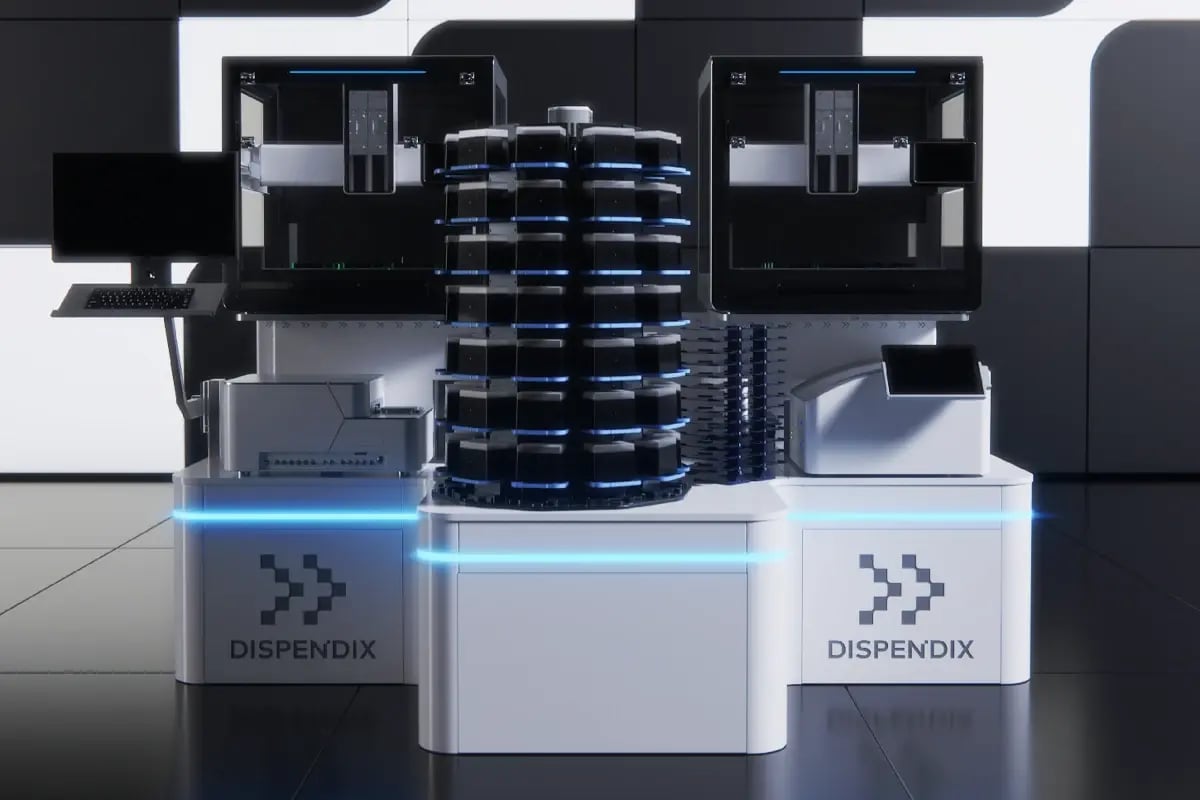
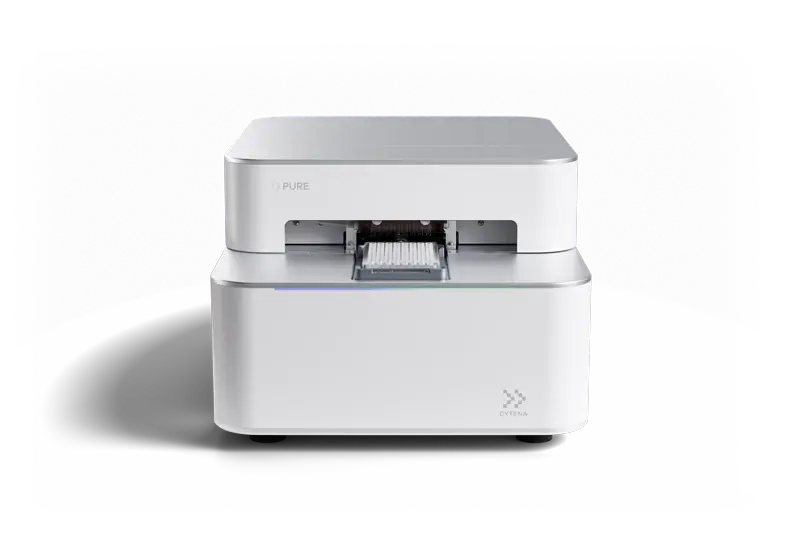
The G.PURE is an automated liquid handler design for nucleic acid purification in high-throughput NGS and PCR workflows. Using centrifugal liquid evacuation technology, you will see improved data quality, while reducing both processing time and costs.
Built with the Tech Trusted by Scientists Around the World


.svg.png)


Automated Centrifugal Purification for NGS and PCR Workflows
High-Quality Sample Processing
The magnetic bead washing ensures high-quality purification performance, improving downstream sequencing quality, and minimizing variability.
Fast & Reproducible – Every Time
The G.PURE automates bead cleanups, completing in under 2 minutes in 96- or 384-PCR well plates, with consistent and reliable results.

Sustainable & Cost Efficient
Improve the sustainability of your workflow and cut your consumable costs dramatically thanks to the centrifugal evacuation technology removing the use of plastic tips.
Downstream Automation Ready
The G.PURE is built to be ready for downstream automation with the SiLA 2 standard, ensuring effortless orchestration across your lab.
Created to Elevate Your Workflow
G.PURE is engineered to streamline steps of the NGS library preparation workflow. By combining intuitive software with full PCR microplate compatibility, G.PURE eliminates the bottleneck of manual bead cleanups.
Built from the ground-up to make your NGS library preparation work easier, faster, and higher quality. The user-friendly, intuitive software, combined with being fully compatible with PCR microplates, makes implementing the G.PURE into your lab a breeze.
Remove tedious manual labor, and give yourself and your coworkers time to focus on other value-generating tasks.

Make Your Workflow Greener and More Cost-Efficient
The G.PURE liquid handler reduces plastic waste, supporting more sustainable lab practices by eliminating disposable pipette tips.
By adopting the G.PURE, you lower your recurring consumable costs with no compromise. With significantly lower tips compared to manual pipetting or competing liquid handlers, the system offsets its own investment over time, while accelerating workflows and maintaining high-quality results.
.webp?width=1500&height=1000&name=G.PURE-GEN-2-Open-Alpha%20(1).webp)
How it Works: Step-by-Step
G.PURE uses a novel, centrifugal liquid evacuation technology to remove the need for unnecessary consumables that drive daily costs in other DNA purification workflows. The G.PURE can be summarized into four distinct steps:
Degrees of Automation
At DISPENDIX, we understand the need for different levels of automation. As such, we have tools and bundles that cover the entire NGS Library Preparation workflow, ensuring a smooth experience for labs of all sizes.

G.PURE
G.PURE automates the DNA Bead Clean-up process within NGS workflow, reducing plastic tip-waste and saving time.
G.PREP
G.PREP is a bundle combining the I.DOT S and G.PURE, creating an approachable, automated NGS Library Prep solution.
G.STATION
G.STATION is a high-throughput NGS Library Prep workstation, covering the entire preparation workflow.
Frequently Asked Questions
What does the G.PURE automate?
The G.PURE automates bead‑based cleanup steps, including supernatant removal, ethanol washing, controlled bead drying, and elution buffer dispensing for DNA and RNA aliquots. Bead addition and downstream elution transfer are not part of the automated process.
Is the G.PURE a DNA extraction system?
No. The G.PURE is designed for post‑amplification or library‑prep cleanup, size selection, and wash steps in NGS and PCR workflows. For single‑cell DNA applications, DNA capture or amplification must be completed before using the G.PURE.
Which plate formats are supported?
Does the G.PURE require pipette tips or an external liquid handler?
No. The G.PURE operates as a fully tip‑free system using centrifugal liquid evacuation and integrated, contact‑free dispensing. No external pipetting robot is required for its core cleanup functions.
Which magnetic bead chemistries are compatible?
How long does a typical cleanup take?
The cleanup step itself can be completed in approximately two minutes for both 96‑well and 384‑well plates. The bead binding duration is not included in this time.